Call us today03 943 2001

Latest Update

4th January

Floating vs Glued Floors: Unveiling the Differences

Floating Floors vs. Glued Floors

Choosing the right flooring for your space involves careful consideration of practicality, aesthetics, and budget. In recent times, floating floors have surged in popularity, especially with dedicated brands like Quickstep and Pergo engineered for this installation method. However, it’s crucial to delve into the key distinctions between floating vs glued floors, especially as some flooring brands not initially designed for floating are being installed as such to cut costs.

Floating Floors: A Cost-Effective Alternative

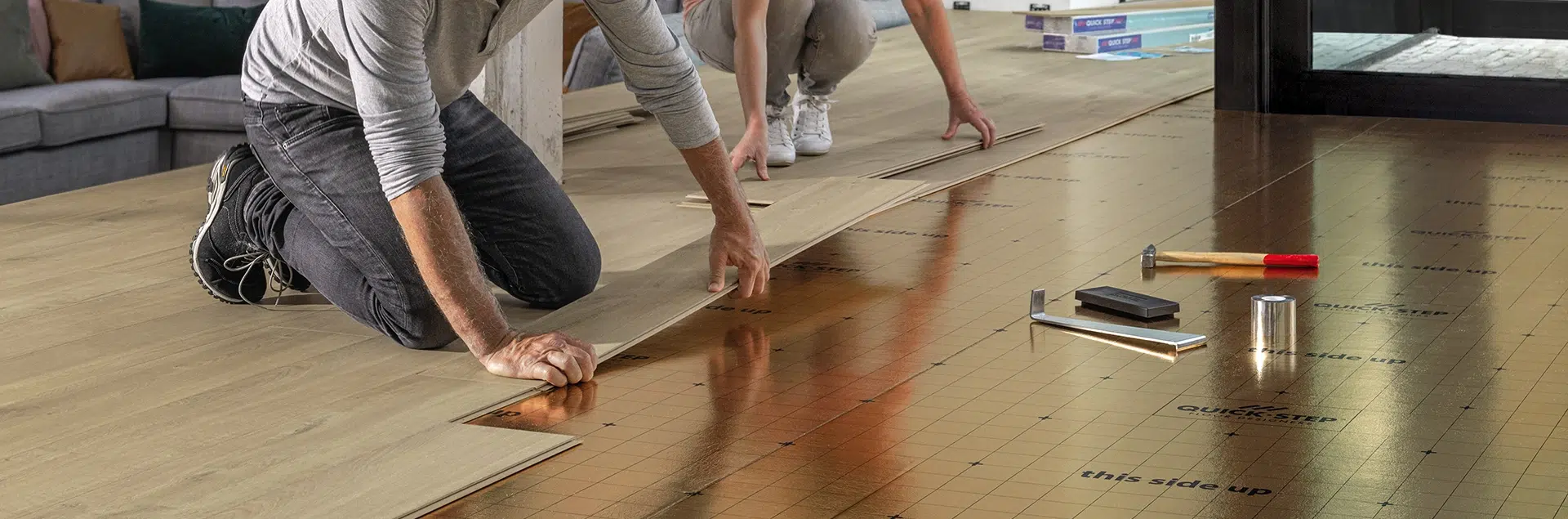
Floating floors, gracefully floating over an underlayment without direct attachment to the subfloor, have gained popularity. Brands like Quickstep and Pergo are purposefully engineered for floating installations, offering a cost-effective and efficient solution for homeowners. Here’s why:

1. Installation Cost:

Floating floors generally require less labor and materials, making them more budget-friendly compared to glued down floors.

2. Repair Options:

Quickstep and Pergo offer expanded repair options when floated. If a specific area is damaged, homeowners can replace planks without affecting the entire floor, saving both time and repair costs.

3. Moisture Barrier:

Floating floors, including Quickstep and Pergo, are installed with underlays. Good quality underlays incorporate a Damp-Proof Membrane (DPM). This eliminates the need for a separate and often costly moisture barrier, enhancing overall budget-friendliness.

4. Earthquake Resilience:

Floating floors can be advantageous in earthquake-prone areas. Decoupled from the subfloor, they are less affected by minor damages to the subfloor caused by seismic activity, making them a practical choice for regions with frequent seismic events.

Preventing Gapping Issues:

Gapping between floorboards can be a concern, especially in areas with fluctuating humidity levels. Quality floating floors, such as those from Quickstep and Pergo, are designed to mitigate gapping issues:

1. Quality Underlay:

Choosing a high-quality underlay is crucial in preventing gapping. A premium underlayment can absorb sound, provide thermal insulation, and prevent gaps from forming.

2. Engineered Design:

Quickstep and Pergo, as reputable brands, incorporate innovative engineering to minimize the impact of seasonal movement on the floor, ensuring a more stable and gap-resistant flooring solution.

Glued Down Floors: Limitations in Repair and Seasonal Movement

While glued down floors have their merits, they come with limitations that should be considered:

1. Installation Challenges:

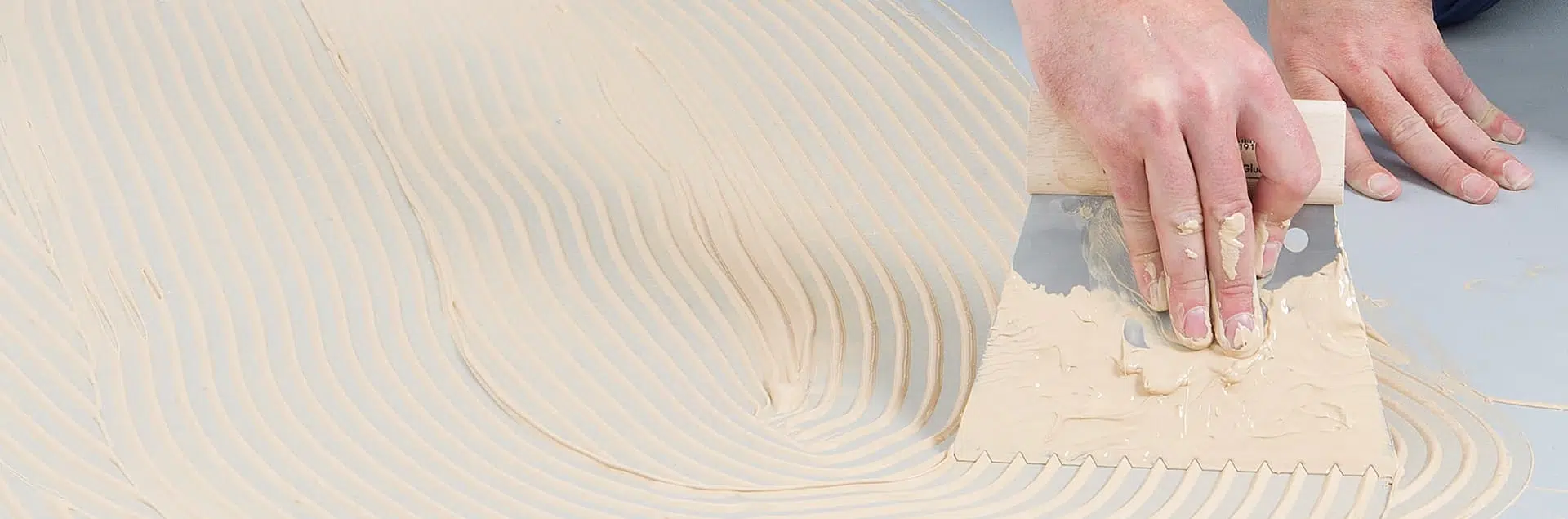
Installing glued down floors is more costly and time-consuming, requiring drying time and moisture barriers over concrete subfloors, contributing to increased expenses and a longer installation timeline.

2. Limited Repair Options:

Repairing glued down floors can be challenging. If damage occurs, it often involves costly plank removal, reapplication of moisture barriers, and sometimes requires sanding and refinishing of the entire floor, leading to higher repair costs.

3. Seasonal Movement:

Glued down floors may experience gapping during seasonal changes, and once gaps appear, there’s little that can be done to rectify the issue.

Conclusion:

In the ongoing debate between floating floors and glued down floors, it’s crucial to weigh the advantages and disadvantages of each installation method. Brands like Quickstep and Pergo, designed specifically for floating installations, offer cost-effective solutions with enhanced repair options, preventive measures against gapping, and additional resilience in earthquake-prone areas. While glued down floors have their place, especially in specific settings, the growing popularity of floating floors suggests that the benefits they provide, including lower installation costs and improved repair options, make them a viable choice for many homeowners.

19th December

Certifiably Sustainable: A Guide to Flooring Certifications

Flooring Certifications. What are they? What do they mean?

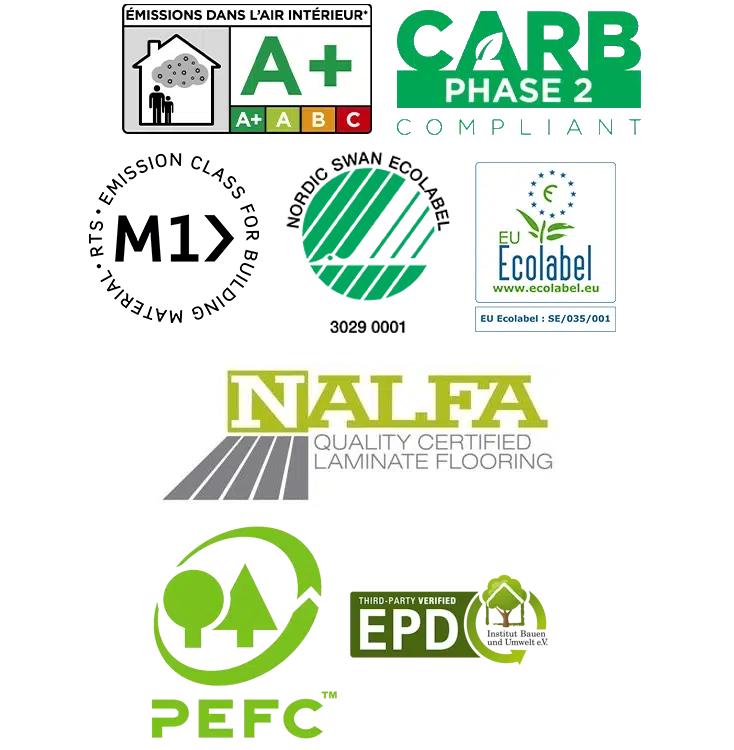
As environmental consciousness continues to grow, homeowners are increasingly seeking eco-friendly and sustainable options for their living spaces. One crucial aspect of a sustainable home is the choice of flooring materials. In this blog post, we’ll explore various certifications that ensure the eco-friendliness and sustainability of flooring products. Each certification represents a commitment to environmental responsibility, health standards, and ethical sourcing. Let’s dive into the world of flooring certifications:

1. FSC (Forest Stewardship Council):

The FSC certification is a mark of responsibly sourced wood and forest products. Flooring bearing the FSC label indicates that the wood comes from well-managed forests that meet rigorous environmental and social standards. Choosing FSC-certified flooring helps conserve biodiversity and supports local communities.

2. A+ Flooring Certifications:

In the context of flooring, the A+ certification often refers to indoor air quality. This certification ensures that the flooring materials emit minimal volatile organic compounds (VOCs), contributing to healthier indoor air. A+ certified flooring is an excellent choice for homes, as it reduces the risk of respiratory issues and improves overall indoor air quality.

3. M1 Emission Class:

Originating from Finland, the M1 emission class is a standard for building materials that signifies low emissions of formaldehyde and other harmful substances. Flooring with M1 certification contributes to a healthier indoor environment by minimizing the release of pollutants.

4. PEFC (Programme for the Endorsement of Forest Certification):

Similar to FSC, PEFC is a global certification system for sustainable forestry. PEFC-certified flooring ensures that the wood used comes from responsibly managed forests, promoting environmental conservation and supporting ethical practices.

5. EU Ecolabel:

The EU Ecolabel is a mark of environmental excellence awarded to products with a reduced environmental impact throughout their lifecycle. Flooring with the EU Ecolabel meets strict criteria for resource efficiency, emissions, and overall environmental performance.

6. EPD (Environmental Product Declaration):

EPD is a comprehensive declaration that provides information on a product’s environmental impact. EPD-certified flooring discloses data on energy consumption, emissions, and resource usage, helping consumers make informed choices based on the product’s sustainability.

7. Nordic Swan Ecolabel:

The Nordic Swan Ecolabel is a certification that guarantees a product’s compliance with stringent environmental and health criteria. Flooring carrying the Nordic Swan Ecolabel is produced with minimal impact on the environment and adheres to strict quality standards.

8. Nalfa (North American Laminate Flooring Association):

Nalfa certification is specific to laminate flooring. Products with Nalfa certification meet industry standards for performance, durability, and indoor air quality, providing consumers with assurance regarding the quality and sustainability of their laminate flooring.

9. US Green Building Council (USGBC):

The USGBC’s Leadership in Energy and Environmental Design (LEED) certification is widely recognized for sustainable building practices. Flooring materials that contribute to LEED certification help homeowners achieve a higher level of sustainability in their homes.

10. CARB Phase 2:

The California Air Resources Board (CARB) Phase 2 certification sets limits on formaldehyde emissions from composite wood products, including certain types of flooring. Compliance with CARB Phase 2 standards ensures that flooring materials have low formaldehyde emissions, contributing to improved indoor air quality.

11. Floorscore Flooring Certifications:

Floorscore is a certification program that focuses on indoor air quality and VOC emissions. Flooring with Floorscore certification undergoes testing to ensure it meets strict standards for low emissions, providing a healthier living environment.

Flooring Certifications Conclusion:

When choosing flooring for your home, consider the impact on the environment and indoor air quality. Certifications such as FSC, A+, M1, PEFC, EU Ecolabel, EPD, Nordic Swan Ecolabel, Nalfa, US Green Building Council, CARB Phase 2, and Floorscore serve as valuable indicators of a product’s commitment to sustainability and health. By opting for certified flooring, you not only contribute to a greener planet but also create a healthier and more sustainable living space for you and your family.

4th December

The Crucial Role of Expansion Gaps in Floating Floors.

Expansion Gaps

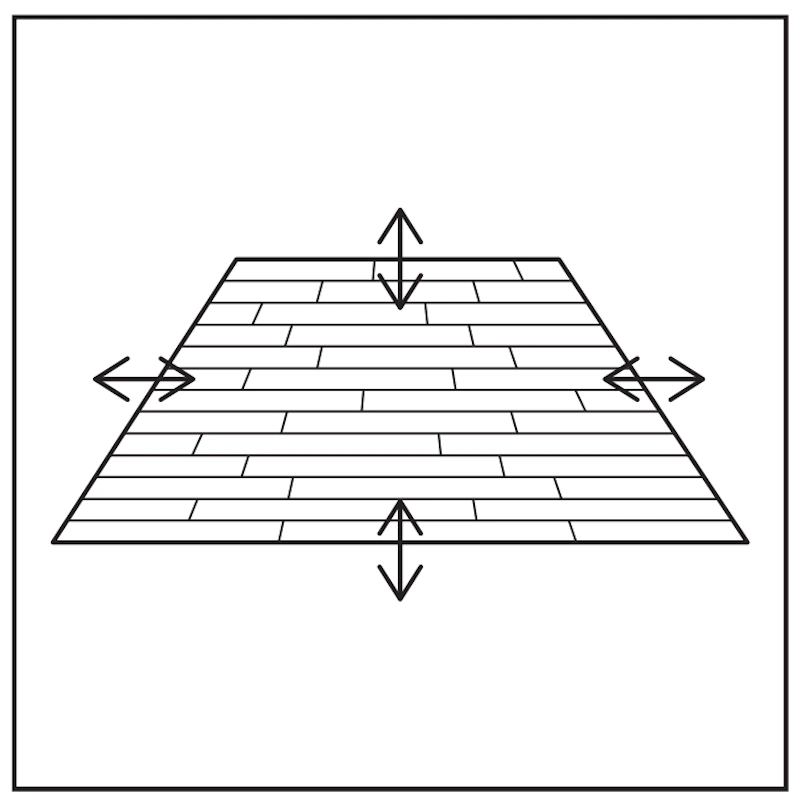
When it comes to installing floating floors, the importance of expansion gaps cannot be overstated. These gaps, often overlooked are critical to the longevity of your flooring. They allow for the natural expansion and contraction of your flooring and home due to temperature and humidity changes. In this blog post, we’ll delve into the significance of expansion gaps, variations among manufacturers, and the potential issues that can arise if proper precautions aren’t taken.

Variability in expected Expansion Gaps:

The first consideration when installing floating floors is the manufacturers recommended expansion gap. As highlighted earlier, these requirements can vary between brands and materials. Quickstep and Pergo laminate installations typically demand an 8mm gap, while timber counterparts may necessitate a 10mm allowance. Adhering to these specifications ensures the flooring can adapt to temperature and humidity changes without compromising its structural integrity.

Covering the Expansion Gaps:

Once the correct expansion gap is determined, it’s essential to cover it adequately. Skirting or finishing profiles are commonly used for this purpose. However, the cover must be 4-5mm larger than the expansion gap to allow for any movement without compromising the aesthetics of the flooring. While most high-spec homes incorporate appropriately sized skirting’s, some spec homes or existing structures not originally designed for hard flooring may have skirting’s as narrow as 10mm.

Addressing Skirting Size Issues:

In cases where existing skirting’s are too narrow, a solution is available. The gib can be undercut to provide the required expansion gap. This meticulous adjustment ensures that the flooring has the space it needs to expand and contract without encountering any hindrances.

Understanding the Dynamics of Timber-Framed Houses:

Timber, a material highly sensitive to temperature and humidity fluctuations, is used extensively in the construction of frames for many houses. As these timber-framed structures respond to environmental changes, they undergo subtle movements that can impact the flooring. Without adequate expansion gaps, the flooring becomes susceptible to the effects of these shifts, leading to potential pinch points.

The Dangers of Pinch Points:

A pinch point occurs when the flooring, lacking a sufficient expansion gap, encounters resistance due to expansion or contraction. This pressure can lead to a range of issues, from noticeable gaps between boards to more severe problems like swelling or buckling of the entire floor. In essence, a single pinch point can have a domino effect, affecting the integrity of the entire floating floor.

Conclusion:

In the world of floating floors, expansion gaps are not just a technicality but a fundamental aspect of proper installation and maintenance. By understanding the variability in gap requirements among manufacturers, ensuring adequate coverage, and addressing potential issues with skirting size, homeowners can safeguard their investment and enjoy the beauty and durability of floating floors for years to come.

13th November

Elevate Your Flooring: The Art of Transition and Finishing Profiles

Elevate Your Flooring: The Art of Transition Bars and Finishing Profiles

The allure of a beautifully crafted floor can be swiftly overshadowed by poorly chosen or mismatched transition bars and finishing profiles. Often overlooked, these small details play a crucial role in not only the aesthetics but also the functionality of your flooring. In this blog, we’ll delve into the significance of transition bars and finishing bars, exploring how they can either enhance or compromise the overall appeal of your timber, laminate, bamboo, or cork flooring.

1. The Downfall of Ugly Bars and Finishing Profiles:

Imagine investing in a stunning hardwood floor or a sleek laminate design, only to have the entire visual appeal marred by unsightly transition bars. These bars, if not chosen thoughtfully, can disrupt the seamless flow of your flooring, turning what could have been a masterpiece into a haphazard arrangement. Therefore, selecting transition bars that complement the color, texture, and style of your flooring is imperative to preserve the aesthetic harmony.

2. Avoiding Trip Hazards:

Height differences between different flooring materials or between rooms can create potential trip hazards if not addressed with the right transition bars. A poorly chosen or poorly installed transition bar can create an uneven surface, posing risks to both the aesthetics and safety of your space. Opting for profiles that seamlessly bridge height gaps ensures not only a visually appealing transition but also a secure and hazard-free environment.

3. Ribbed Commercial Bars vs. Domestic Finishing Profiles:

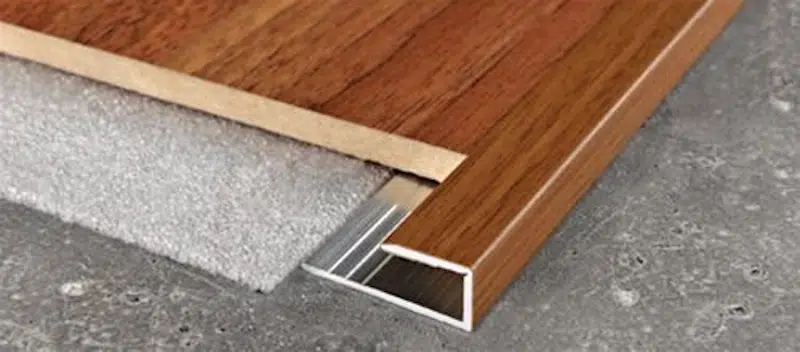
Commercial-grade transition bars are often ribbed and designed for heavy-duty use. However, in a domestic setting, these utilitarian bars can appear out of place and lack the finesse required for a home environment. Careful consideration must be given to choosing transition bars that align with the sophistication and elegance of residential spaces while maintaining their functionality.

4. Diverse Color Options:

Transition bars are not just functional; they’re an opportunity to add a touch of style to your flooring. With options like brushed silver, color-matched foil-wrapped, and powder-coated bars that match your joinery, you can seamlessly integrate these elements into your design scheme. The right color choice can either make the bars blend discreetly or stand out as a deliberate design feature.

5. Versatile Profiles for Every Need:

Transition bars come in various profiles to address specific requirements. Whether you need a box edge for a clean and minimalistic look, a ramp for smooth height transitions, an expansion profile to accommodate flooring movement, or a transition bar for seamless room connections, there’s a profile for every need. Understanding the purpose of each profile ensures a tailored solution for your flooring.

6. Discretion or Distinction:

Consider whether you want your transition bars to be as discreet as possible, seamlessly blending into the flooring, or if you want them to make a statement. Elements like black stair nosing can serve as both a safety feature and a design accent, turning what could be a functional necessity into a distinctive feature of your flooring design.

Conclusion:

Transition bars and finishing bars may seem like minor details, but their impact on the overall aesthetics and functionality of your flooring is significant. By choosing the right profiles, colors, and styles, you can elevate your flooring to new heights, creating a cohesive and visually pleasing environment. At The Natural Flooring Company, we stock a diverse range of transition bars to ensure that every detail of your flooring reflects your unique style and meets the highest standards of design and safety.

31st October

HDF Core vs MDF Core Flooring: Exploring the Differences

HDF Core vs MDF Core

In the world of flooring materials, making an informed choice can be challenging. When it comes to flooring cores, two contenders are HDF (High-Density Fiberboard) and MDF (Medium-Density Fiberboard). However, not all HDF is created equal. In this blog, we will explore HDF core vs MDF core flooring and the unique advantages of HDF cores. The infusion of melamine by our manufacturer, a commitment to enhancing water resistance that not all manufacturers share. Moreover, our HDF flooring meets some of the world’s strictest VOC emission standards, ensuring a healthy indoor environment.

Understanding HDF Flooring

Before diving into the benefits of HDF with melamine treatment and low VOC standards, let’s first distinguish between HDF and MDF:

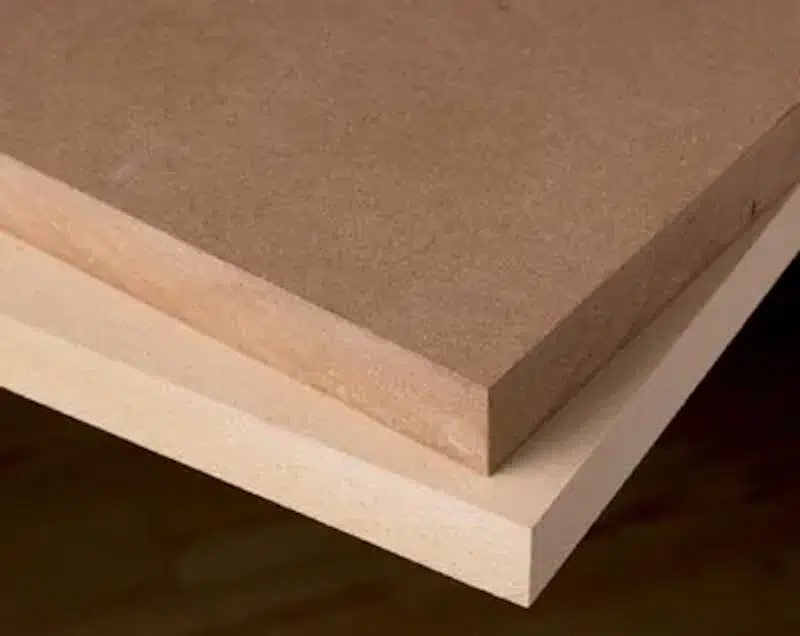
1. HDF (High-Density Fiberboard): HDF is engineered wood made from exploded wood fibers, wax, and resin, compressed at high pressure to create a dense, durable sheet. It is widely used in flooring applications.

2. MDF (Medium-Density Fiberboard): MDF, similar to HDF, consists of wood fibers, wax, and resin. However, it is less dense than HDF due to a lower compression process. MDF is primarily used in furniture and decorative elements but is less suitable for flooring.

The Advantage of HDF with Melamine Treatment

1. Unmatched Water Resistance:

While HDF is already a durable choice for flooring, our manufacturer goes the extra mile by impregnating melamine into the HDF. Creating Hydracore HDF! Melamine is a synthetic resin known for its exceptional water-repellent properties. This infusion of melamine ensures that our HDF flooring products are a lot less prone to moisture damage. This feature is especially valuable in moisture-prone areas like kitchens and bathrooms, where spills and splashes are common.

2. Exceptional Durability:

HDF, with or without melamine treatment, offers remarkable durability. It resists dents, scratches, and wear and tear, ensuring that your floors maintain their beauty even in high-traffic areas.

3. Precision Milling and Installation:

HDF’s density allows for precise milling, resulting in precisely cut and engineered flooring pieces and joints. This precision simplifies installation and ensures a tight, waterproof and seamless fit between planks, eliminating gaps and improving the overall appearance of your floor.

4. Stability in Changing Conditions:

HDF with melamine maintains its dimensional stability, resisting expansion and contraction due to changes in humidity and temperature. This stability ensures that your flooring remains flat and secure over time.

5. Smooth Surface Finish:

HDF’s dense composition, combined with melamine treatment, results in a smooth and even surface. This provides an excellent base for laminating, painting, or applying veneers, allowing for various design options.

6. Low VOC Standards for Healthier Indoor Environments:

In addition to water resistance and durability, our HDF flooring meets some of the world’s strictest VOC emission standards. Volatile Organic Compounds (VOCs) can have adverse effects on indoor air quality and health. Our commitment to low VOC emissions ensures that your indoor environment remains healthy and comfortable.

Conclusion:

When choosing flooring materials, not all HDF is the same. At our company, we take great pride in offering HDF flooring solutions that set new standards in water resistance, thanks to the infusion of melamine by our manufacturer. Elevate your interior design to new heights by choosing HDF cores with melamine treatment for your flooring needs. Experience the difference that unmatched water resistance, durability, and low VOC standards can make in maintaining the beauty and health of your indoor environment, especially in moisture-prone areas.

12th October

What is a Floating Floor: Unveiling the Secrets of Floating Floors

When it comes to flooring solutions, one term that has been gaining immense popularity in recent years is the “floating floor.” This innovative concept is revolutionizing the way we think about flooring, providing not only an attractive and functional option but also a versatile and earthquake-friendly solution. So, what exactly is a floating floor, and what makes it so unique? In this blog, we’ll delve into the world of floating floors, explore their benefits, and shed light on some key components that make them truly exceptional.

What is a Floating Floor?

At its core, a floating floor is a type of flooring installation method where the floor material is not directly attached to the subfloor. Instead, it “floats” on top of it. This fundamental difference from traditional flooring systems allows the house and the floor to move independently. This independence serves a multitude of purposes, from preventing gapping in the floor to offering remarkable earthquake resistance.

Independence is Key

The decoupled nature of floating floors is what sets them apart. In traditional flooring, the material is typically glued or nailed directly to the subfloor, creating a rigid connection. This rigidity can lead to problems over time, such as the formation of gaps or the transmission of sound and vibrations. Floating floors, on the other hand, are designed to move with the house’s natural settling and shifting. This makes them far more forgiving and durable.

Earthquake Resilience

In areas prone to seismic activity, the flexibility of floating floors is a game-changer. During an earthquake, the ground can shift and move significantly, potentially causing damage to a rigidly attached floor. A floating floor’s ability to move independently from the subfloor can help mitigate the damage by absorbing some of the seismic forces. This is a crucial factor in regions where earthquakes are a real concern, providing peace of mind to homeowners.

The Importance of the Clip: Uniclic Joint System

While the concept of a floating floor is revolutionary in itself, the key to its success lies in the details. One such detail is the use of a reliable and robust joint system. The Uniclic joint system has earned its reputation as an industry leader, and for good reason. This patented technology ensures a seamless and secure connection between floor planks. The “click and lock” design of Uniclic joints makes installation a breeze while providing an incredibly stable and gap-resistant flooring surface.

Premium Underlays for Optimal Performance

Underlayment is a vital component of any floating floor system. It not only enhances comfort underfoot but also serves to dampen sound, improve insulation, and provide support to the floor planks. Using a high-quality underlay is essential to ensuring the long-term performance of your floating floor. That’s why we only use premium underlays to complement our flooring solutions.

In conclusion, the concept of a floating floor is a revelation in the world of flooring. Its decoupled design, which allows the floor to move independently from the subfloor, offers numerous benefits such as preventing gapping and enhancing earthquake resistance. The Uniclic joint system and the use of premium underlays are vital elements that contribute to the success of floating floors. So, if you’re in the market for a durable, versatile, and earthquake-friendly flooring solution, consider the advantages of a floating floor – it might be just what your home needs.

13th September

E3/AS1 in the NZ Building Code: Embracing Change

E3/AS1 in the NZ Building Code

Staying attuned to the evolving landscape of building codes is imperative for both industry professionals and homeowners. A significant shift recently occurred in New Zealand’s building regulations with the introduction of Amendment 7 to Clause E3/AS1 in the NZ Building Code. Effective from November 3, 2021, this amendment brings about substantial alterations to the requirements surrounding sanitary fixtures, appliances, and flooring solutions. In this blog, we delve into the key modifications introduced by Amendment 7 and their far-reaching implications for the construction industry and homeowners alike.

Amendment 7 Clause E3/AS1 in the NZ Building Code: A Comprehensive Overview

Amendment 7 to Clause E3/AS1 in the NZ Building Code Codemarks a significant departure in building regulations, introducing fresh considerations for sanitary fixtures, appliances, and flooring solutions. Superseding Amendment 6 on November 3, 2021, these updates bring with them important revisions, among which the reclassification of certain household items stands out as particularly noteworthy.

Reimagining Fixtures and Appliances

One of the most impactful changes ushered in by Amendment 7 is the reclassification of fixtures and appliances. The once-generic designations of dishwashers and washing machines have transformed into the more significant classification of “Sanitary Appliances.” Similarly, basins and sinks are now deemed “Sanitary Fixtures.” This reclassification reflects an enhanced understanding of these items’ roles in maintaining hygiene and sanitation within built environments. Correspondingly, the standards governing their installation and up keep have been adjusted to match their newly emphasized significance.

Flooring Solutions: Prioritizing Hygiene and Practicality

Amendment 7 also ushers in a pivotal transformation concerning flooring solutions, particularly around sanitary fixtures and appliances. The updated code now mandates that acceptable flooring finishes exhibit two vital attributes: imperviousness and ease of cleaning. This mandate underscores the need to uphold hygienic environments while reducing the risk of microbial growth in moisture-prone zones.

Furthermore, the amendment specifies that the impervious and easily cleaned surface should extend a minimum of 1.5 meters from all sanitary fixtures and appliances. This change has rippling implications for design and construction, effectively ruling out certain materials such as carpets for specific areas like the rear of kitchen islands, bathrooms, and laundries.

Innovative Adaptations: ISO4760 Testing

Amendment 7 recognizes the necessity of innovation within construction materials and methodologies. It acknowledges that while some flooring solutions might not conform to the conventional norms of imperviousness and clean ability, they can still deliver comparable performance. To this end, the amendment introduces a platform for embracing alternative solutions that have successfully passed the stringent ISO4760 testing. This approach promotes flexibility, encouraging the utilization of contemporary materials capable of satisfying rigorous hygiene and durability standards.

Overcoming the Gapping Challenge

It’s imperative to recognize the challenge posed by gapping in certain flooring materials, which can be especially pronounced in kitchen areas due to fluctuating temperatures and moisture levels. To counter this issue, some flooring now necessitates the application of PVA to join the pieces and mitigate the risk of gaps. However, this solution introduces its own set of complexities and potential pitfalls.

For installers, ensuring an uninterrupted and continuous bead of PVA D3 along all joins within a 1.5-meter radius of any sanitary fixture is imperative. The margin for error in this process is non-existent, as any inconsistencies could compromise the long-term integrity of the flooring. Moreover, the applied glue must be capable of being warranted for the entire lifetime of the flooring, adding another layer of complexity to the equation.

The Natural Flooring Company: Leading The Way

In stark contrast to the intricate demands of applying PVA to every join, The Natural Flooring Company’s products offer a refreshingly streamlined approach. Their carefully engineered joints require no additional adhesive like PVA to ensure impeccable integrity. By sidestepping the complexities and uncertainties associated with PVA application, The Natural Flooring Company empowers both installers and homeowners to have confidence in the flooring’s durability, appearance, and longevity.

By opting for The Natural Flooring Company’s offerings, individuals can circumvent the potential pitfalls of applying PVA, sidestep the need for a continuous PVA bead, and free themselves from the anxiety of providing a warranty for PVA glue for the flooring’s entire lifespan. This exceptional approach not only sets a new standard for ease of installation but also contributes to a visually stunning and enduring living environment.

No Need for Waterproof Membrane

Adding to the advantages, all flooring from The Natural Flooring Company eliminates the need for a waterproof membrane to be applied to the subfloor beneath their flooring. Their surfaces are inherently impervious, alleviating the need for an additional layer of protection. This reduction in complexity not only simplifies installation but also contributes to a more efficient construction process.

Navigating the Consent Process with Confidence

For professionals, builders, and homeowners traversing the consent process with local councils, comprehending the nuances of Amendment 7 is paramount. In this transformative phase, The Natural Flooring Company emerges as a reliable partner, extending support through every step. Possessing an in-depth understanding of the revised regulations and a lineup of flooring solutions that have successfully passed the ISO4760 testing, they offer vital documentation and expert guidance to ensure seamless alignment with the updated code.

Paving the Way to Enhanced Building Excellence

Amendment 7 to Clause E3/AS1 within the New Zealand Building Code signifies a significant leap toward fortifying hygiene, resilience, and adaptability within the construction sector. The reclassification of appliances and fixtures, coupled with the stringent flooring finish requirements, mirrors an encompassing recognition of evolving modern living standards. As homeowners, professionals, and councils embrace these changes, the industry embarks on a journey to cultivate safer, more durable, and aesthetically pleasing spaces that resonate with the pinnacle of building excellence. The Natural Flooring Company and its supply partners innovative approach further propels this progression, guaranteeing a pathway to compliance and quality that’s smoother and more robust than ever before.

11th August

Laminate Flooring vs. Vinyl Plank Flooring: Unraveling the Myths and Advantages

When it comes to flooring options, laminate and vinyl plank flooring have become increasingly popular choices due to their durability, affordability, and versatility. However, there are key differences between the two materials that are often misunderstood. In this blog, we will shed light on the misconceptions surrounding laminate flooring, emphasize the benefits of its waterproof technology. We will compare laminate to vinyl plank flooring, focusing on issues like plastic content, VOC emissions, scratching, and fading.

Laminate Flooring: Not Plastic, Surprisingly Sustainable

One common misconception about laminate flooring is that it is made of plastic. In reality, laminate flooring is constructed using multiple layers of wood-based materials, including a high-density fiberboard (HDF) core. A decorative layer, and a wear-resistant top layer. The top layer is typically made of a special melamine resin, which provides protection against wear and tear.

Moreover, our laminate flooring manufacturers have taken a sustainable approach by using 100% recycled wood fibers in their HDF core. This eco-friendly characteristic sets laminate flooring apart from vinyl plank flooring, which is plastic, often derived from non-renewable fossil fuels.

VOC Emissions in Vinyl Plank Flooring: A Concern for Indoor Air Quality

One of the drawbacks of vinyl plank flooring is the potential release of volatile organic compounds (VOCs) into the air. VOCs are chemicals that can evaporate from certain materials, contributing to indoor air pollution and affecting indoor air quality. Some vinyl products may contain phthalates and other harmful chemicals that can be released over time, posing health risks to occupants.

On the other hand, laminate flooring has made significant strides in reducing VOC emissions by using natural products and eco-friendly production processes. It is an excellent choice for those seeking a flooring option with minimal impact on indoor air quality and overall well-being.

Waterproof Technology: A Game-Changer for Laminate Flooring

One of the most notable advancements in laminate flooring technology is the development of 100% waterproof surface and joint systems. Unlike some laminate flooring which are susceptible to water damage at the joints. Our laminate products offer a 100% waterproof surface and joint system.

This breakthrough has enabled homeowners to install laminate flooring in areas prone to moisture. Such as kitchens, bathrooms and basements with confidence. Vinyl plank flooring is butt jointed or uses an inferior joint which is not waterproof. Making it susceptible to water-related issues such as; adhesive failure, subfloor damage, and the potential growth of mold on the subfloor when exposed to excessive moisture

Scratch Resistance and Fading: Laminate Takes the Lead

Laminate flooring boasts exceptional scratch resistance due to its durable top layer. This protects the floor from daily wear and tear caused by foot traffic, furniture, and pets. Even in high-traffic areas, laminate flooring can maintain its appearance for many years.
Conversely, vinyl plank flooring is susceptible to scratches, especially in areas with heavy use. Additionally, over time, vinyl planks may experience high fading when exposed to direct sunlight, which can compromise the aesthetics of the floor.

In summary, laminate flooring offers numerous advantages over vinyl plank flooring. Contrary to the misconception that laminate is plastic, it is an environmentally friendly option made from wood-based materials. Its low VOC emissions make it a safer choice for indoor air quality.
The incorporation of 100% waterproof joint technology makes laminate flooring an excellent option for areas exposed to moisture, where vinyl plank flooring may fall short. Laminate’s scratch resistance and fading resilience ensure it can withstand the test of time, outperforming vinyl in durability and aesthetics.
When considering flooring options for your home or commercial space, it is essential to weigh the benefits of each material carefully. Laminate flooring, with its sustainable composition, waterproof capabilities, and superior durability, presents a compelling choice that goes beyond the misconceptions often associated with this remarkable flooring solution.

31st July

What Makes Timber Flooring a Popular Choice in New Zealand?

Why Do People Choose Timber Flooring?

Timber flooring has stood the test of time as one of the most widely used types of flooring worldwide. In New Zealand, it remains a popular choice among homeowners for several compelling reasons. Let’s delve into why timber flooring is preferred over other flooring options in the market.

1. Enhances the Overall Look of Your Home:

Timber floors bring a sense of warmth, elegance, and timeless beauty to any space. Many homeowners in New Zealand believe that timber flooring can make a room appear more spacious. Depending on your home’s aesthetic, timber flooring creates a welcoming atmosphere and leaves a lasting first impression.

2. Long-lasting and Durable:

One primary reason for choosing solid timber flooring is its exceptional durability. With proper care and maintenance, timber floors can last for decades. Timber flooring is a reliable and long-lasting investment for your property.

3. Improved Air Quality:

Timber floors available in the New Zealand market do not harbor dust, pet dander, pollen, or other common allergens like carpets do. This makes timber flooring an excellent choice for individuals with allergies or asthma. The smooth and non-porous surface of timber floors prevents the accumulation of particles, ensuring better air quality in your home.

In contrast, carpets can trap allergens in their fibers, while tile with grout lines attract dust and other allergens. Timber flooring, with its smooth surface, offers a hypoallergenic solution, contributing to a healthier living environment.

4. Environmental Responsibility and Sustainability:

>
Timber flooring is environmentally responsible and sustainable. It is crafted from renewable materials, making it an eco-friendly choice for conscious consumers. By opting for timber flooring, you contribute to the reduction of carbon footprint and support sustainable practices.

These reasons highlight why do people choose timber flooring and why it continues to be a popular choice among homeowners in New Zealand. Its ability to enhance the aesthetic appeal of a space, its durability, improved air quality, and promotion of environmental sustainability make it a preferred flooring option. Consider joining the growing list of people who enjoy the benefits of timber flooring in NZ and make it a part of your home.

7th July

Unlocking the Essence of Laminate Flooring: Unveiling the Mastery of Quick-Step and Pergo

What is Laminate Flooring?

Quick-Step and Pergo are renowned brands in the laminate flooring industry. Celebrated for their exceptional quality, durability, and innovative features. Laminate flooring, a versatile and cost-effective alternative to hardwood, has gained popularity due to its practicality and aesthetic appeal. In this article, we will explore why Quick-Step and Pergo laminate flooring stand out among other brands. Showcasing their superiority in craftsmanship and design.

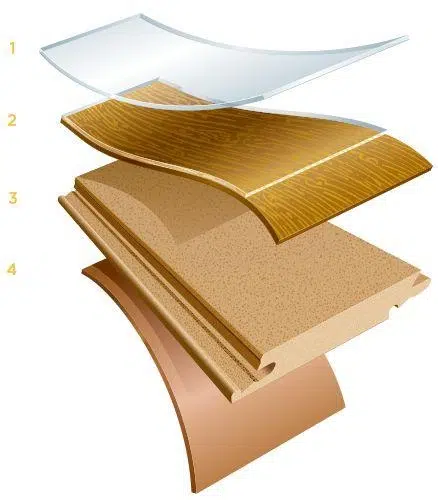
Layers of Excellence:
Quick-Step and Pergo
laminate flooring consist of multiple layers expertly fused together through a lamination process, resulting in a robust and resilient product.

1. Top Layer (Wear Layer/Overlay):

The top layer of laminate flooring, also known as the wear layer or overlay is a protective coating. This layer offers resistance against scratches, stains, and fading. Quick-Step and Pergo utilize a clear melamine wear layer, renowned for its exceptional durability, scratch resistance, and moisture resistance. This layer not only safeguards the flooring but also contributes to its realistic appearance by replicating the grains and textures found in hardwood and other natural materials. In contrast, some manufacturers employ plastic wear layers. Plastic wear layers (polyvinyl chloride PVC), are prone to fading, scratching, and off-gassing, compromising the longevity and visual appeal of the flooring.

2. Decorative Layer:

Beneath the wear layer lies the decorative layer, responsible for imitating various designs. Ranging from elegant wood grains to captivating stone textures. Quick-Step and Pergo offer a diverse array of designs and finishes, catering to different interior styles and personal preferences. This attention to detail enhances the overall aesthetic appeal of the flooring, creating a visually pleasing and inviting environment.

3. Core Layer:

The core layer of Quick-Step laminate flooring comprises high-density fiberboard (HDF), which imparts stability and strength to the flooring. Quick-Step and Pergo enhance the core’s stability and water resistance by incorporating melamine and wax into its composition. On the other hand, some manufacturers employ medium-density fiberboard (MDF), a softer material prone to water damage, peaking, and wearing on the board joints. The superior core composition of Quick-Step and Pergo laminate ensures long-lasting durability and resilience, even in high-traffic areas.

4. Bottom Layer (Backing/Balancing Layer):

The bottom layer, known as the backing or balancing layer, plays a vital role in balancing the floor and resisting moisture. Quick-Step and Pergo employ a melamine bottom layer with properties similar to the wear layer, reinforcing the overall durability and moisture resistance of the flooring.

Installation Excellence:

Quick-Step laminate flooring stands out for its user-friendly installation system called Uniclic. The planks are ingeniously designed with a click-together mechanism, enabling easy and efficient installation without the need for glue or nails. The Uniclic joint offers greater repair options and ensures a lifetime of gap-free flooring. In contrast, other manufacturers may use inferior clips or tongue and groove joints, which are prone to gapping and have limited repair options. Quick-Step’s installation system provides added convenience, making it an ideal choice for both professionals and DIY enthusiasts.

Maintenance Made Easy:

In addition to its durability, Quick-Step and Pergo laminate flooring are known for their maintenance convenience. These laminate floors are resistant to moisture, stains, fading, and wear, making them suitable for high-traffic areas and even wet environments. Regular cleaning with a mop or vacuuming is typically sufficient to keep the flooring in optimal condition. However, it’s important to note that some inferior laminates, particularly those with an MDF core cannot be wet mopped due to their susceptibility to water damage. Quick-Step and Pergo laminate flooring provide a hassle-free maintenance experience, ensuring that your floors remain beautiful and durable for years to come.

Quick-Step and Pergo laminate flooring represent the pinnacle of non-toxic flooring solutions, seamlessly blending the aesthetics of natural materials with durability, easy care, and affordability. With their exceptional wear layers, wide range of designs, superior core composition, and user-friendly installation systems, Quick-Step and Pergo have established themselves as industry leaders, offering customers an unmatched flooring experience. Whether you seek functionality, longevity, or an exquisite visual appeal, Quick-Step and Pergo laminate flooring are the go-to choices for unlocking the essence of quality, durability, and innovation in laminate flooring.

20th June

Engineered Timber Floors vs Solid Timber Floors:

Engineered vs Solid Timber

Timber floors have always been a popular choice for their warmth, beauty, and timeless appeal. However, the natural tendency of solid timber to twist, cup, and warp over time has been a significant concern. In recent years, engineered timber floors have emerged as a reliable alternative that addresses these issues. In this article, we will explore the differences between engineered vs solid timber floors, with a particular focus on how engineered timber, particularly those with Unilin’s innovative Uniclic® joint, takes the battle against natural distortions to a whole new level.

Understanding the Nature of Timber:

Before we delve into the comparison, let’s understand the inherent characteristics of timber. Wood is a hygroscopic material, which means it absorbs and releases moisture based on its surroundings. As a result, solid timber floors can expand and contract due to changes in temperature and humidity, leading to twists, cups, and warps. These natural movements can cause significant issues, including uneven surfaces, gaps, and damage.

Engineered Timber Floors:

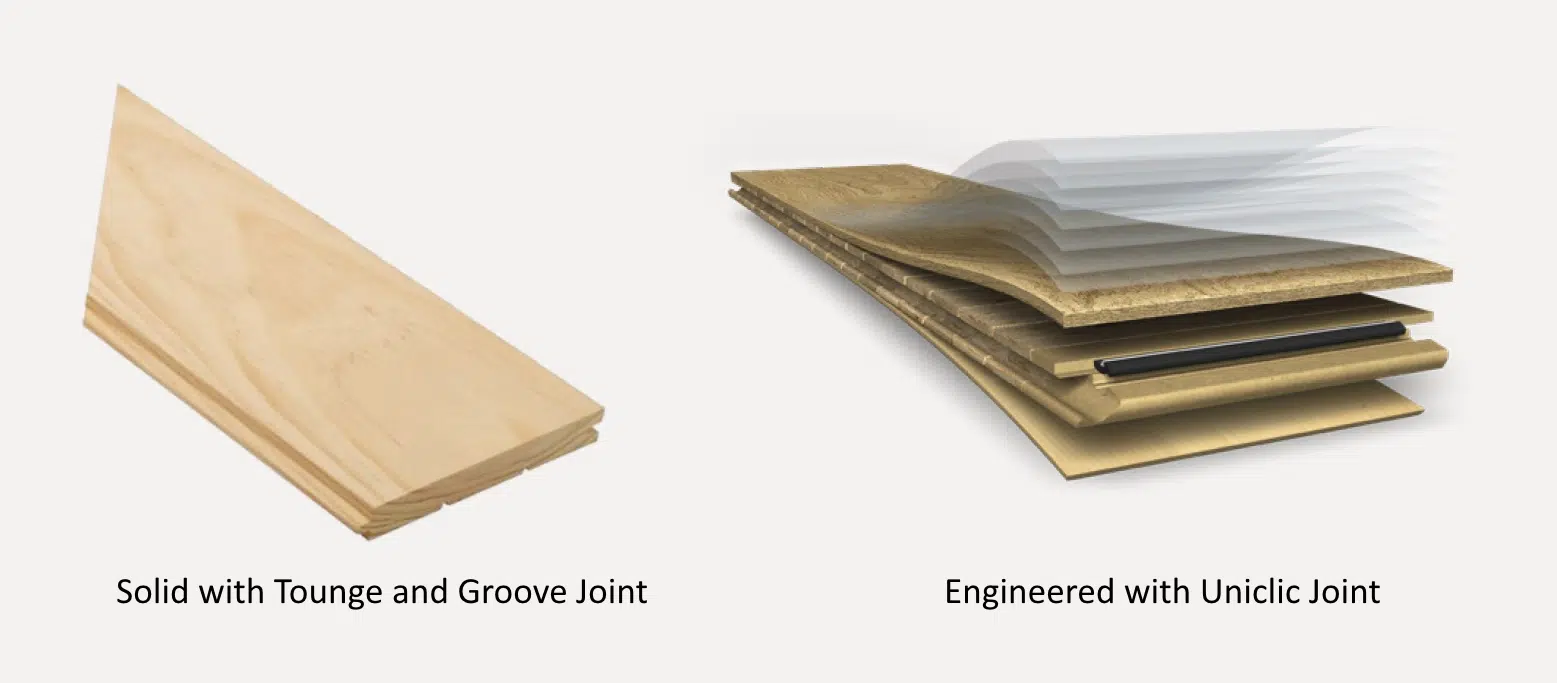
Engineered timber floors are designed to combat the inherent vulnerabilities of solid timber. They consist of multiple layers, typically composed of a top layer or “wear layer” of solid timber bonded to a core made from Recycled Hevea or spruce, high-density fibreboard (HDF) or plywood. This construction provides numerous benefits that help prevent twisting, cupping, and warping. Taking it even further, QuickStep & PERGO engineered timber floors incorporate the revolutionary Uniclic® joint system developed by Unilin, a leading manufacturer of green flooring solutions.

1. Stability through Layered Construction:

The layered structure of engineered timber floors significantly enhances their stability. The core layers are arranged in a crisscross pattern, counteracting the natural tendencies of timber to move. This cross-layered configuration ensures that any expansion or contraction is distributed evenly throughout the floor, reducing the risk of deformations. Unilin’s engineered timber floors, with their precisely engineered layers and advanced construction techniques, offer exceptional stability that surpasses conventional methods.

2. Enhanced Resistance to Moisture:

Moisture is a primary culprit behind timber floor distortions. Engineered timber floors mitigate this issue by incorporating moisture-resistant layers within their construction. The enginnered core is less prone to absorbing moisture compared to solid timber, making engineered floors more resistant to the effects of humidity and moisture fluctuations. Unilin’s engineered timber floors take this resistance to the next level with specially formulated moisture-resistant coatings and improved core materials.

3. Controlled Expansion and Contraction:

By using stable and reliable core materials, engineered timber floors offer better control over expansion and contraction. This controlled movement minimizes the risk of cupping, twisting, or warping, resulting in a more durable and long-lasting flooring solution. The Uniclic® joint system by Unilin revolutionizes the installation process, providing a secure and tight interlocking connection between each plank. This innovative joint not only simplifies installation but also enhances the floor’s ability to withstand natural movements, ensuring superior stability over time.

4. Greater Dimensional Stability:

Due to their layered composition, engineered timber floors exhibit enhanced dimensional stability compared to solid timber floors. They are less susceptible to changes in temperature and humidity, reducing the likelihood of structural issues and the need for constant maintenance. Unilin’s engineered timber floors, QuickStep & PERGO feature this joint, offering an even higher level of dimensional stability. The precision-engineered joint creates a seamless and tight fit between planks, minimizing gaps and preventing movement, resulting in an exceptionally stable floor.

Engineered timber floors, with their layered construction and resistance to natural distortions, have transformed the flooring industry. The incorporation of Unilin’s groundbreaking Uniclic® joint takes the battle against twists, cups, and warps to new heights. By combining stability, enhanced moisture resistance, controlled expansion and contraction, and greater dimensional stability, Unilin’s engineered timber floors offer a flooring solution that surpasses traditional solid timber floors. With the beauty of timber and the durability of engineered flooring, homeowners and commercial space owners can enjoy a stunning and long-lasting floor that defies nature’s forces

16th June

Transforming Rubberwood Trees from Ashes to Opportunities

In today’s world, sustainability has become an imperative consideration in every industry. Companies are increasingly seeking ways to minimize their environmental impact and contribute to a greener future. Unilin, a leading innovator in our industry, has taken a remarkable step towards sustainability by recycling rubberwood trees that were destined for destruction. In this blog, we explore the inspiring story of Unilin’s recycling efforts and the positive impact it has made on the environment.

The Rubberwood Conundrum:

Rubberwood trees, also known as Hevea brasiliensis, are primarily cultivated for their latex production, which is used to manufacture various rubber-based products. However, these trees have a limited lifespan for latex extraction, typically around 25-30 years. Once they reach the end of their productivity, rubberwood trees are often burned down to make space for new plantations. A process that contributes to deforestation and releases harmful greenhouse gases into the atmosphere.

Unilin’s Vision for Sustainability:

Unilin, a leader renowned for its innovative flooring solutions, recognized the environmental impact caused by the destruction of rubberwood trees. With a strong commitment to sustainability, the company embarked on a mission to find a better solution. One that would transform the fate of these trees and contribute positively to the planet.

The Unilin Recycling Initiative:

Unilin developed an innovative and sustainable solution by implementing a comprehensive recycling initiative for rubberwood trees. Instead of burning down these trees, Unilin partnered with local communities and farmers to salvage the wood and give it a new lease on life.

The Recycling Process:

Salvage and Selection: Unilin established a network of suppliers and farmers who identify and collect rubberwood trees that have reached the end of their latex production lifecycle. The wood is carefully selected based on quality and suitability for recycling.

Processing and Treatment: The collected rubberwood undergoes a thorough processing and treatment phase to remove impurities, such as bark and latex residue. This ensures that the recycled wood maintains its structural integrity and quality.

Manufacturing Flooring Products: The recycled rubberwood is then transformed into high-quality flooring products, utilizing Unilin’s cutting-edge manufacturing techniques. The wood is carefully engineered to provide excellent durability, stability, and aesthetic appeal.

Benefits of Unilin’s Recycling Efforts:

Environmental Preservation: Unilin’s recycling initiative significantly reduces deforestation and the release of greenhouse gases associated with burning rubberwood trees. By giving these trees a second life, Unilin helps preserve the natural ecosystem and minimizes its carbon footprint.

Resource Conservation:

Equally important recycling rubberwood reduces the demand for fresh timber, conserving valuable natural resources. Unilin’s commitment to sustainability extends beyond its recycling efforts. As the company also implements responsible forestry practices to ensure a sustainable supply chain.

Social and Economic Impact: Unilin’s partnership with local communities and farmers fosters economic development by creating employment opportunities. Moreover, the recycling initiative promotes social responsibility and strengthens the bond between Unilin and the communities it operates in.

Unilin’s dedication to sustainability and innovative thinking have turned a potential environmental concern into an inspiring success story. Through its recycling initiative for rubberwood trees, Unilin has demonstrated that responsible business practices can lead to positive outcomes for both the environment and society. By salvaging and transforming rubberwood into high-quality flooring products, Unilin sets an example for other industries to embrace sustainable practices and actively contribute to a greener future.